For tabletop wargaming enthusiasts, the experience doesn’t end when the last dice is rolled. After Action Reports (AARs) have become an invaluable tool for learning, sharing, and improving the wargaming tabletop experience. Whether you’re a veteran commander or just starting your journey into wargaming tabletop battles, understanding the power of AARs can transform how you approach the hobby.
What Are After Action Reports?
An After Action Report is more than just a simple battle report. While battle reports typically focus on “what happened,” AARs dig deeper into the “why” and “how” of your wargaming tabletop sessions. They’re structured documents that analyze tactical decisions, evaluate strategies, and reflect on the overall gaming experience.
A typical AAR includes several key components:
- Pre-game setup and objectives
- Key tactical decisions and turning points
- Rule applications and mechanical insights
- Post-game analysis of what worked and what didn’t
- Lessons learned for future games
AARs can take many formats—detailed written reports, photo-based narratives, or even video walkthroughs. The format matters less than the analytical depth and honest reflection that makes AARs so valuable for the wargaming tabletop community.
Learning Through After Action Reports
One of the primary benefits of creating AARs is the learning opportunity they provide. When you take time to analyze your wargaming tabletop sessions, you gain insights that are easy to miss in the heat of battle.
Analyzing Tactical Decisions
AARs force you to revisit critical moments in your games. Did that aggressive flanking maneuver actually pay off, or did it leave your center vulnerable? Should you have committed your reserves earlier? By documenting and analyzing these decisions, you develop a deeper understanding of tactical principles that apply across different wargaming tabletop scenarios.
Understanding Game Mechanics
Every wargaming tabletop system has nuances that only reveal themselves through repeated play. AARs help you identify rule applications you might have missed or misunderstood. They also highlight which mechanics have the biggest impact on gameplay, allowing you to focus your strategic planning on what actually matters.
Tracking Personal Improvement
When you maintain a collection of AARs over time, you create a record of your development as a player. You can see patterns in your decision-making, identify recurring mistakes, and celebrate improvements. This longitudinal perspective is impossible to achieve without documentation.
Learning From Others
Reading AARs from other players exposes you to different tactical approaches and strategic thinking. The wargaming tabletop community is rich with experienced players who share their insights through detailed AARs, providing a wealth of knowledge that would take years to develop independently.
Sharing the Gaming Experience
Beyond personal learning, AARs serve a vital role in building and strengthening the wargaming tabletop community.
Building Community Connections
When you share an AAR, you’re inviting others into your gaming experience. This creates opportunities for discussion, advice, and camaraderie. Fellow players can offer suggestions, share similar experiences, or simply enjoy the narrative you’ve created. These connections strengthen the broader wargaming tabletop community.
Inspiring Through Storytelling
The best AARs don’t just analyze tactics—they tell a story. They capture the drama of a last-stand defense, the satisfaction of a well-executed plan, or the humor of unexpected dice rolls. This narrative element makes wargaming tabletop more engaging and helps draw new players into the hobby.
Creating a Knowledge Repository
As more players contribute AARs, the community builds a collective repository of wargaming tabletop knowledge. This resource becomes invaluable for understanding army matchups, terrain effects, scenario balance, and countless other aspects of the hobby. New players can accelerate their learning by studying these shared experiences.
Fostering Strategic Development
When players share their AARs, it sparks discussions that advance tactical and strategic thinking across the community. Players debate alternative approaches, suggest improvements, and collectively develop more sophisticated understanding of wargaming tabletop strategy.
How to Write Effective After Action Reports
Creating valuable AARs doesn’t require professional writing skills, but it does benefit from a systematic approach.
Pre-Game Preparation
Set yourself up for success before the first turn:
- Take photos of initial deployment
- Note the scenario objectives and special rules
- Document army lists or force compositions
- Identify your pre-game strategy and expectations
During Gameplay
While playing your wargaming tabletop session:
- Take photos of key moments and turning points
- Make brief notes about significant decisions
- Mark when important units are destroyed or objectives captured
- Don’t let documentation interfere with gameplay—quick notes are sufficient
Post-Game Analysis
After the game concludes, while memories are fresh:
- Review what worked well and what didn’t
- Identify the turning points and why they occurred
- Analyze whether your pre-game strategy was sound
- Consider what you would do differently next time
- Reflect on rules interactions or mechanical insights
Making AARs Engaging
To create AARs that others will find valuable:
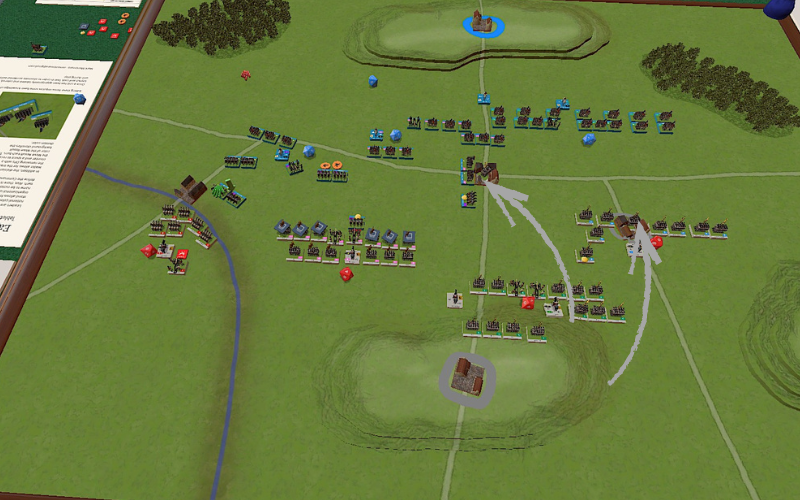
- Use photos to illustrate key moments
- Write in an engaging narrative style, not just bullet points
- Be honest about mistakes—these are often the most educational parts
- Include enough context that readers unfamiliar with the scenario can follow along
- Balance tactical analysis with storytelling
- Use your target keyword phrase “wargaming tabletop” naturally throughout
Examples of Great AARs
Looking at successful AARs helps illustrate what makes them valuable. Two excellent examples can be found in related content on this site:
The Eagles to Glory AAR demonstrates how thorough documentation and analysis can turn a single wargaming tabletop session into a comprehensive learning resource. It captures both the narrative excitement of the battle and the tactical lessons learned.
Similarly, this Bolt Action AAR shows how collaborative gaming experiences can be shared effectively, providing insights into both players’ perspectives and decision-making processes.
What makes these AARs successful?
- Clear structure that’s easy to follow
- Good use of photos to illustrate key moments
- Honest analysis of both successes and failures
- Tactical insights that apply beyond the specific game
- Engaging narrative that brings the wargaming tabletop experience to life
The Long-Term Value of After Action Reports
The true power of AARs becomes apparent over time. For individual players, a collection of AARs becomes a personal gaming journal—a record of your development, favorite moments, and hard-won lessons in wargaming tabletop strategy.
For the community, shared AARs create a constantly growing body of knowledge. New players can learn from veterans’ experiences. Experienced players can refine their understanding by seeing how others approach similar situations. Game designers can gather feedback about scenario balance and rule clarity.
This collective benefit makes AAR creation an act of community service. When you document your wargaming tabletop sessions, you’re not just helping yourself—you’re contributing to the growth and development of the entire hobby.
Start Your AAR Journey Today
If you’ve never written an After Action Report, there’s no better time to start than after your next wargaming tabletop session. Don’t worry about making it perfect—even a simple AAR with basic photos and honest reflection provides value.
As you develop your AAR practice, you’ll discover that the process itself improves your gameplay. The act of analyzing your decisions makes you more thoughtful during games. The discipline of documentation helps you notice details you might otherwise miss. And the feedback from sharing your AARs accelerates your learning beyond what solo play could achieve.
The wargaming tabletop hobby thrives on shared experiences and collective learning. After Action Reports are the perfect vehicle for both. Whether you’re documenting a casual game with friends or a tournament battle, your AAR adds to the rich tapestry of gaming experiences that make this community special.
So grab your camera, take some notes during your next game, and join the tradition of AAR creation. Your future self—and your fellow gamers—will thank you for it.