The world of tabletop gaming has undergone a remarkable transformation in recent years. What was once confined to physical game boards, miniatures, and dice rolls around a kitchen table has now expanded into the digital realm, opening up unprecedented possibilities for gamers worldwide. Platforms like Tabletop Simulator have revolutionized how we experience board games, wargames, and tabletop RPGs, breaking down geographical barriers and making countless games accessible at the click of a button.
Among these digital platforms, Tabletop Simulator stands out as one of the premier wargaming platforms available today. It’s not just a game—it’s a complete virtual tabletop environment that faithfully recreates the tactile experience of physical gaming while adding the convenience and connectivity of modern technology. Whether you’re a seasoned wargamer looking to expand your gaming opportunities or a newcomer curious about the world of tabletop strategy, Tabletop Simulator offers something for everyone.
In this overview of Tabletop Simulator, we’ll explore everything you need to know about Tabletop Simulator: what makes it special, how it’s transforming the wargaming landscape, the best games to play on the platform, and how to get started on your own digital tabletop journey. Prepare to unlock a new dimension of strategic gaming that combines the best of traditional tabletop experiences with cutting-edge digital capabilities.
What is Tabletop Simulator?
Tabletop Simulator is a virtual platform that allows players to recreate the experience of playing board games, card games, and tabletop wargames in a digital environment. Developed by Berserk Games and released in 2015, it has become the go-to solution for tabletop enthusiasts who want to play their favorite games online with friends or strangers from around the globe.
At its core, Tabletop Simulator provides a physics-based sandbox where players can interact with virtual game pieces just as they would with physical components. You can pick up cards, roll dice, move miniatures, flip tokens, and manipulate game boards with intuitive controls. The platform doesn’t enforce rules for most games—instead, it trusts players to follow the rules themselves, just as they would at a physical table. This freedom makes Tabletop Simulator incredibly versatile and capable of hosting virtually any tabletop game imaginable.
What truly sets Tabletop Simulator apart is how it bridges the gap between physical and digital gaming. The platform maintains the social aspect of tabletop gaming through integrated voice chat, while adding digital conveniences like automatic dice rolling, hidden hand zones, and the ability to save and load game states. You get the authentic feel of physical gaming with none of the setup hassle, storage concerns, or geographical limitations.
Tabletop Simulator is available on Windows, Mac, and Linux through Steam, making it accessible to a wide range of users. The system requirements are relatively modest—you don’t need a high-end gaming PC to enjoy most games on the platform. VR headset support is also available for those seeking an even more immersive experience, though it’s entirely optional.
Why Tabletop Simulator is the Ultimate Wargaming Platform
Tabletop Simulator has earned its reputation as the ultimate wargaming platform for several compelling reasons that set it apart from both physical gaming and other digital alternatives.
Unmatched Versatility
One of Tabletop Simulator’s greatest strengths is its incredible versatility. The platform isn’t limited to a specific genre or type of game. Whether you’re interested in complex historical wargames like Axis & Allies, fantasy miniatures battles, abstract strategy games, or story-driven RPGs, Tabletop Simulator can accommodate them all. This versatility means you only need one platform to access thousands of different gaming experiences, making it an incredibly cost-effective solution for avid gamers.
Realistic Physics Engine
The platform features a sophisticated physics engine that faithfully mimics real tabletop experiences. Dice tumble and bounce realistically, cards can be shuffled and dealt with natural movements, and game pieces can be picked up, moved, and placed with intuitive precision. This attention to physical realism helps maintain the tactile satisfaction of traditional tabletop gaming, even in a digital environment. You can even flip the table in frustration (virtually, of course) if a game isn’t going your way!
Global Connectivity
Perhaps the most revolutionary aspect of Tabletop Simulator is how it enables cross-platform play and global connectivity. You can play with friends across the country or meet new gaming partners from around the world. No longer are you limited to the gaming group in your immediate area—the entire global community of tabletop gamers becomes your potential player pool. This is especially valuable for fans of niche wargames who might struggle to find local opponents for their favorite titles.

Learn more about the Virtual Tabletop Wargaming Network that has been set up on this channel that allows its members from around the globe to meet up on the ‘virtual’ tabletop,
Click here to learn more
Cost-Effectiveness
When you consider the cost of building a physical game collection, Tabletop Simulator represents remarkable value. A single copy of the software (often available on sale) grants you access to thousands of games through the Steam Workshop. While some premium DLC content is available for purchase, the majority of content is community-created and free. You’ll never need to worry about storage space, damaged components, or the expense of constantly expanding your physical collection.
Key Features That Make Tabletop Simulator Stand Out
Beyond its fundamental capabilities, Tabletop Simulator offers several standout features that enhance the gaming experience and contribute to its popularity among wargamers.
Customizable Game Mechanics and Mod Support
Tabletop Simulator’s extensive customization options allow you to tailor games to your preferences. The platform supports modding through Lua scripting, enabling advanced users to create automated game mechanics, custom UI elements, and unique gameplay features. Even if you’re not a programmer, you can benefit from the thousands of pre-scripted mods available through the community.
Steam Workshop Integration
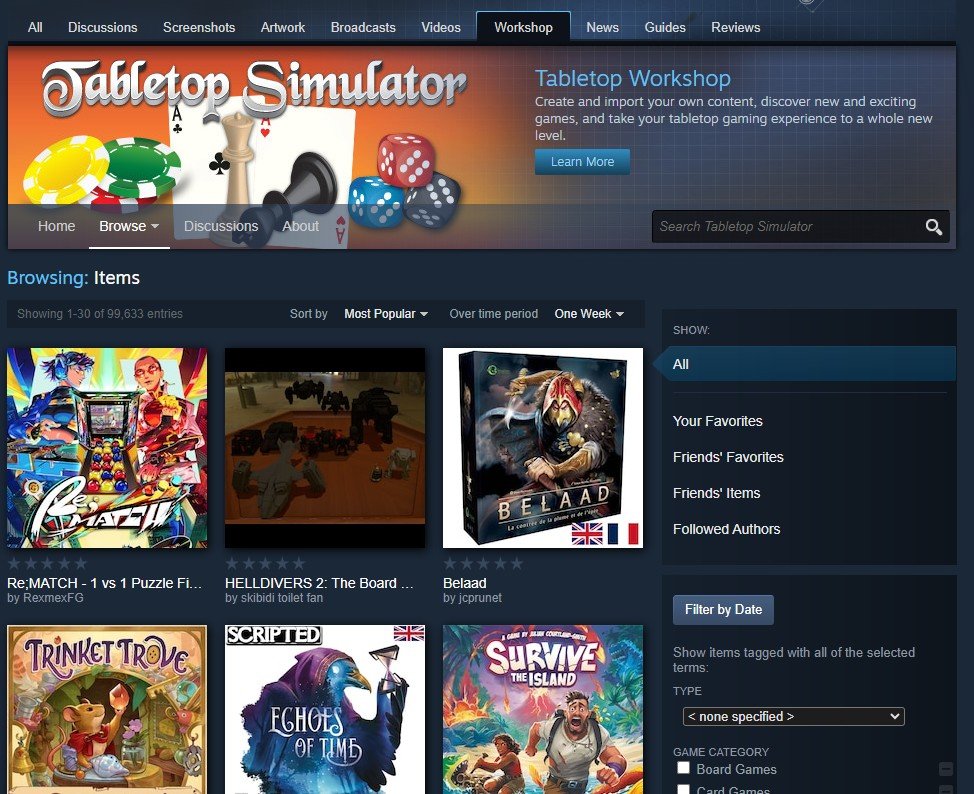
The seamless integration with Tabletop Simulator Workshop is one of Tabletop Simulator’s most powerful features. The Workshop serves as a massive library of user-created content, including complete games, custom pieces, beautiful game tables, and helpful tools. With just a few clicks, you can subscribe to any Workshop item and have it instantly available in your game. The Workshop’s rating and commenting systems help you identify high-quality content, and new additions appear daily.
Multiplayer Capabilities and Online Matchmaking
Tabletop Simulator supports up to 10 players in a single session, accommodating everything from intimate two-player duels to large-scale multiplayer wargames. The built-in server browser helps you find open games to join, while hosting your own session is straightforward. The platform includes integrated voice chat, though many groups prefer to use Discord for communication. You can also play in hot-seat mode or solo if you prefer.
VR Support for Immersive Gameplay
For those with VR headsets, Tabletop Simulator offers native VR support that takes immersion to another level. In VR mode, you can reach out and grab game pieces with your virtual hands, lean in to examine the board closely, and feel truly present at the gaming table. VR and non-VR players can even play together in the same session, making it accessible regardless of your hardware setup.
Best Games to Play on Tabletop Simulator
With thousands of games available on Tabletop Simulator, choosing what to play can feel overwhelming. Here’s a guide to some of the best content available on the platform.
Popular Wargames on Tabletop Simulator
Tabletop Simulator excels as a wargaming platform, hosting numerous classics and modern favorites. Games like Warhammer 40K, Bolt Action, and Wings of Glory have thriving communities on the platform. Historical wargames such as Memoir ’44, Commands & Colors: Ancients, and Axis & Allies are well-represented. The platform is particularly valuable for expensive miniature wargames, where the digital versions allow you to try before investing in physical miniatures.
Classic Board Games Recreated
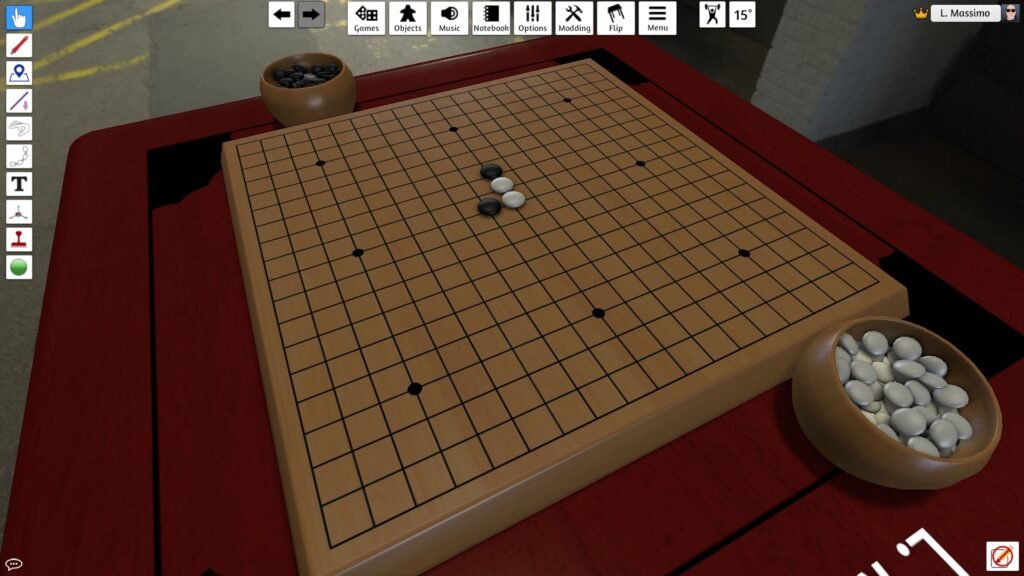
Many beloved classic board games have been faithfully recreated in Tabletop Simulator. From Chess and Go to more complex modern classics like Twilight Imperium, Gloomhaven, and Scythe, you’ll find high-quality versions of games that might be difficult to organize in person due to their length, complexity, or player requirements.
Custom and Community-Created Content
The creativity of the Tabletop Simulator community is truly impressive. You’ll find everything from original game designs and variants of popular games to beautiful custom gaming tables and thematic dice. Some community creators have even developed entirely scripted experiences that automate complex game mechanics, creating something closer to a video game experience while maintaining the tabletop aesthetic.
How to Find the Best Tabletop Simulator Games
To discover great content, start by browsing the Steam Workshop and sorting by “Most Popular” or “Most Subscribed.” Pay attention to user ratings and read comments to gauge quality. Joining the Tabletop Simulator Discord community (more on this later) is another excellent way to get recommendations. Many game publishers have also released official DLC for their games, which often includes enhanced features and guaranteed quality.
Getting Started with Tabletop Simulator
Ready to begin your Tabletop Simulator journey? Here’s what you need to know to get started.
Setting Up Your First Session
After purchasing and installing Tabletop Simulator through Steam, launch the application and take some time to explore the main menu. You can start by loading one of the included games or subscribing to a Workshop item. To begin a multiplayer session, choose “Create” from the main menu, select your game, and configure your server settings (public, friends-only, or private). Once your game loads, other players can join through the server browser or by invitation.
Navigating the Interface
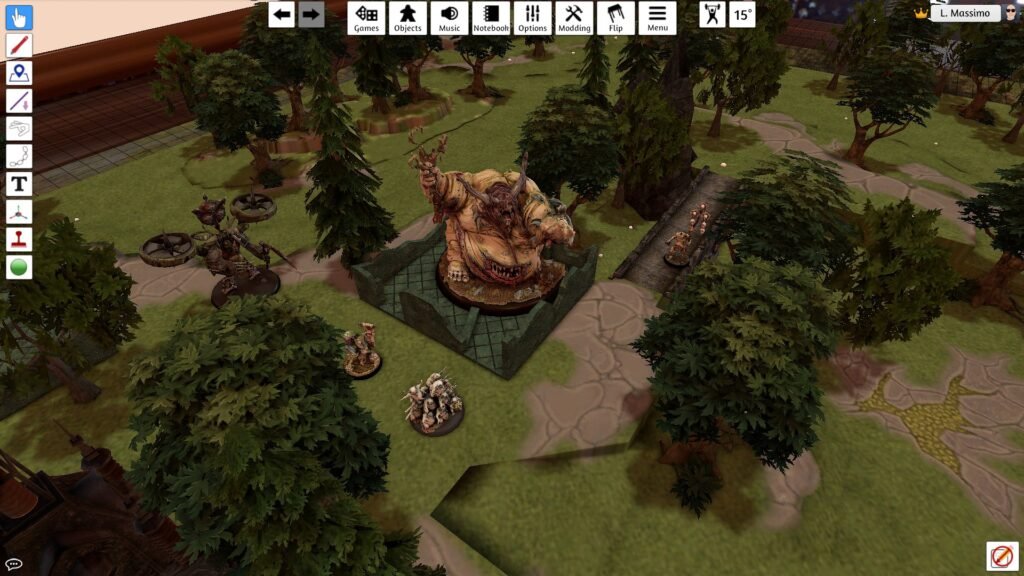
Tabletop Simulator’s interface is designed to be intuitive, but it does have a learning curve. The top menu bar provides access to all major functions: Games (to load different games), Objects (to spawn new pieces), Options (for settings), and Help (for tutorials). The bottom of the screen shows your hand zone and other player information. Take advantage of the built-in tutorials to familiarize yourself with the interface before jumping into a game.
Basic Controls and Interaction Mechanics
Most interactions use simple mouse controls. Right-click and drag to rotate objects, left-click to pick them up, and hover over objects to see interaction options. Number keys activate different tools like the pointer, zone tool, and paint tool. Press the ‘H’ key to show a complete list of keyboard shortcuts. Practice with these controls in a solo session before playing with others—it will make your first multiplayer experience much smoother.
Tips for New Players
Start with simpler games to build comfort with the interface before tackling complex wargames. Don’t be afraid to ask questions—the Tabletop Simulator community is generally welcoming to newcomers. Use the rewind feature (F5) if you make a mistake. Consider using Discord for voice chat instead of the built-in option for better audio quality. Finally, remember that patience is key—everyone was new once, and the learning curve is well worth the investment.
The Tabletop Simulator Community
One of Tabletop Simulator’s greatest assets is its vibrant, creative community. Getting involved with this community can dramatically enhance your experience.
Joining the Tabletop Simulator Discord
The official Tabletop Simulator Discord server is the heart of the community. Here you’ll find thousands of active players, organized channels for finding games, technical support, content creation discussions, and general tabletop gaming chat. The Discord is an invaluable resource for troubleshooting problems, discovering new content, and connecting with other players. Many game-specific communities also have their own Discord servers for finding opponents interested in particular games.
Finding Gaming Groups and Regular Players
Beyond Discord, several resources can help you find regular gaming partners. The Tabletop Simulator subreddit frequently features “looking for group” posts. The Steam Community Hub includes forums and group listings. Many players form regular gaming groups that meet weekly or monthly for specific games. Don’t be shy about reaching out—most players are eager to welcome new members to their groups.
Contributing to the Workshop
As you become more comfortable with Tabletop Simulator, you might consider contributing your own creations to the Workshop. Whether it’s a custom game table, a new game implementation, or helpful tools and accessories, the community always appreciates new content. Even if you’re not ready to create original content, writing helpful reviews and guides for existing Workshop items contributes to the community.
Learning from Experienced Enthusiasts
Many experienced Tabletop Simulator users create tutorial videos, streaming content, and written guides. YouTube hosts numerous channels dedicated to Tabletop Simulator gameplay and tutorials. Watching experienced players can teach you advanced techniques, keyboard shortcuts, and workflow optimizations that aren’t immediately obvious. Don’t hesitate to reach out to content creators with questions—many are happy to help newcomers.
Advanced Tips and Tricks for Tabletop Simulator
Once you’ve mastered the basics, these advanced techniques will help you get even more out of Tabletop Simulator.
Creating Custom Content and Mods
Creating your own content opens up endless possibilities. The in-game tools allow you to import custom models, textures, and images. You can create custom decks of cards, design unique game boards, or import 3D models of miniatures. The official documentation provides detailed guides on asset importing and optimization. Start small—perhaps creating a custom token or dice—before moving on to complete game implementations.
Hosting and Managing Game Sessions
Effective hosting makes games run smoothly. As a host, you control the pace of the game and can manage player permissions. Learn to use the admin tools: you can kick disruptive players, promote others to host if needed, and lock objects to prevent accidental movement. Setting clear expectations before the game starts—regarding rules interpretations, pacing, and conduct—helps ensure everyone has a good experience.
Using Scripting to Enhance Gameplay
Lua scripting allows you to automate repetitive tasks and create sophisticated game mechanics. While scripting has a learning curve, even basic scripts can significantly enhance gameplay. You might create buttons that automatically deal cards, scripts that calculate scores, or automation for complex game phases. The Tabletop Simulator API documentation and community forums provide excellent resources for learning scripting. Many creators also share their scripts, which you can study and modify for your own purposes.
Optimizing Performance
For the smoothest experience, optimize your Tabletop Simulator settings. Reduce visual effects if you experience lag. Disable objects that aren’t currently in use using the “Delete” tool. When creating custom content, optimize your image sizes—unnecessarily large textures can cause performance issues. If hosting, ensure you have a stable internet connection. Consider using the “Hands” feature to hide cards and reduce rendered objects.
Tabletop Simulator vs. Physical Gaming
While Tabletop Simulator offers tremendous advantages, it’s worth considering how it compares to traditional physical gaming.
Advantages of Digital Play
Tabletop Simulator eliminates geographical barriers, allowing you to play with anyone worldwide. There’s no setup or teardown time—games save their state and can be resumed instantly. You’ll never lose game pieces or deal with damaged components. The platform also makes trying new games risk-free, as most content is free through the Workshop. For expensive miniature wargames, Tabletop Simulator represents enormous savings. Additionally, the platform enables you to play games that might be out of print or prohibitively expensive in physical form.
When Physical Gaming Has the Edge
Despite its many advantages, physical gaming retains certain benefits. There’s an irreplaceable satisfaction in handling physical components—the weight of dice, the texture of cards, the visual impact of painted miniatures on a table. Physical gaming facilitates face-to-face social interaction and body language reading that can enhance negotiation-heavy games. Some players also find screen time fatiguing, especially for longer gaming sessions. Technical issues—while rare—can disrupt digital sessions in ways that physical gaming avoids.
Hybrid Approaches
Many gamers find that the ideal approach combines both digital and physical gaming. Use Tabletop Simulator for trying new games before purchasing physical copies, for connecting with distant friends, or for playing games that would be impractical in person. Reserve physical gaming for local game nights, favorite titles you’ve invested in, and occasions when the tactile experience adds significant value. This hybrid approach gives you the best of both worlds.
Another hybrid approach for combining digital and physical gaming is to create and manage larger campaigns on Tabletop Simulator, and then transferring the battles to the physical table to be resolved.
Conclusion: Embracing the Future of Tabletop Gaming
Tabletop Simulator represents a revolutionary leap forward for tabletop gaming. By successfully bridging the gap between physical and digital experiences, it has opened up unprecedented opportunities for wargamers and tabletop enthusiasts worldwide. The platform’s versatility, robust feature set, thriving community, and vast content library make it an essential tool for modern gamers.
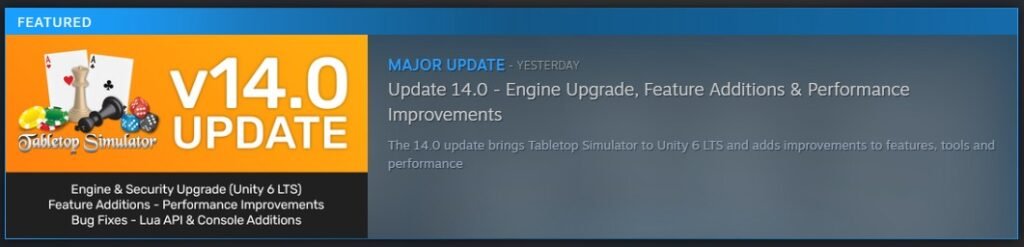
Whether you’re a veteran wargamer seeking new opponents for your favorite historical battles, a board game enthusiast wanting to explore new titles without breaking the bank, or a newcomer curious about the world of tabletop gaming, Tabletop Simulator offers something valuable. The platform continues to evolve, with regular updates adding new features and improvements, while the community constantly creates fresh content and innovations.
The future of tabletop gaming isn’t about choosing between physical and digital—it’s about having options and using the right tool for each situation. Tabletop Simulator has firmly established itself as one of those essential tools, earning its place in the toolkit of any serious tabletop gamer.
Ready to discover what makes Tabletop Simulator the ultimate wargaming platform? The time to start your journey is now. Purchase the software on Steam, explore the Workshop, join the Discord community, and immerse yourself in the endless possibilities of digital tabletop gaming. Your next great gaming experience is just a few clicks away—and you don’t even need to clear off your dining room table to get started!